
Jonathan Pollak is an active member of Anarchist Against The Wall (about AATW, see below).
"Your Honor, once found guilty, it is then customary for the accused to ask the court for leniency, and express remorse for having committed the offense. However, I find myself unable to do so. From its very beginning, this trial contained practically no disagreements over the facts. As the indictment states, I indeed rode my bicycle, alongside others, through the streets of Tel Aviv, to protest the siege on Gaza. And indeed, while riding our bicycles, which are legal vehicles belonging on the road, we may have slightly slowed down traffic. The sole and trivial disagreement in this entire case revolves around testimonies heard from police detectives, who claimed I played a leading role throughout the protest bicycle ride, something I, as well as the rest of the Defense witnesses, deny. As said earlier, it is customary at this point of the proceedings to sound remorseful, and I would indeed like to voice my regrets regarding one particular aspect of that day's events: if there is remorse in my heart, it is that, just as I argued during the trial, I did not play a prominent role in the protest that day, and thus did not fulfill my duty to do everything within my power to change the unbearable situation of Gaza's inhabitants, and bring to an end Israel's control over the Palestinians. His Honor has stated during the court case, and will most likely state again in the future, that a trial is not a matter of politics, but of law. To this I reply that there is hardly anything to this trial except political disagreement. This Court may have impeded the mounting of an appropriate defense when it refused to hear arguments regarding political selectiveness in the Police's conduct, but even from the testimonies which were admitted, it became clear such a selectiveness exists. The subject of my alleged offense, as well as the motivation behind it were political. This is something that cannot be sidestepped. The State of Israel maintains an illegitimate, inhuman and illegal siege on the Gaza Strip, which still is occupied territory according to international law. This siege, carried out in my name and in yours as well, sir, in fact in all of our names, is a cruel collective punishment inflicted on ordinary citizens, residents of the Gaza strip, subjects-without-rights under Israeli occupation. In the face of this reality, and as a stance against it, we chose on January 31, 2008, to exercise the freedom of speech afforded to Jewish citizens of Israel. However, it appears that here in our one-of-many-faux-democracies in the Middle East, even this freedom is no longer freely granted, even to society's privileged sons. I am not surprised by the Court's decision to convict me despite having no doubt in my mind that our actions on that day correspond to the most basic, elementary definitions of a person's right to protest. Indeed, as the Prosecution pointed out, a suspended prison sentence hung over my head at the time of the bicycle protest, having been convicted before under an identical article of law. And, although I still maintain I did not commit any offense whatsoever, I was aware of the possibility that under Israeli justice, my suspended sentence would be imposed. I must add that, if His Honor decides to go ahead and impose my suspended prison sentence, I will go to prison wholeheartedly and with my head held high. It will be the justice system itself, I believe, that will need to lower its eyes in the face of the suffering inflicted on Gaza's inhabitants, just like it lowers its eyes and averts its vision each and every day when faced with the realities of the occupation."
About AATW
Israeli group supporting the popular Palestinian resistance to the Israeli separation wall.
Anarchists Against the Wall (AATW) is a direct action group that was established in 2003 in response to the construction of the wall Israel is building on Palestinian land in the Occupied West Bank. The group works in cooperation with Palestinians in a joint popular struggle against the occupation.
Since its formation, the group has participated in hundreds of demonstrations and direct actions against the wall specifically, and the occupation generally, all over the West Bank. All of AATW's work in Palestine is coordinated through villages' local popular committees and is essentially Palestinian led.
For more see on http://www.awalls.org/

jeudi 30 décembre 2010

mardi 7 septembre 2010
Some insights into the daily life of Palestinians in Gaza in August 2010
Gaza moments by Anne P (activist friend in Palestine)
Dear all,
I just came back from Gaza and wanted to share with you a video I have put together in order to convey a message: let us not forget Gaza in our words and actions.
I could participate to only one demonstration against the buffer zone (I included a tiny part of it in the video), half of the people were young brave Palestinian women. I was very impressed., they were really happy to have 10 internationals with them that day- apparently a record. Contrary to the demos in the West Bank to which I have become accustomed to, I felt powerlessness walking in the buffer zone which became a desolated area and where this is not one tree which can help to protect you. You do not see the soldiers, they are hidden in their military towers. The Palestinians started to move some barb wire. The soldiers did shoot, but the Palestinians went back and continue. I felt really impressed by their determination, These demonstrations are occurring every week and we barely hear about them. So I wanted to share, and if you want to see the whole video of the demo please let me know...
By the way, the ISM team told me that they are really short of people (only 4 to cover the whole Gaza)...now it is really easier to enter through Rafah, so I hope more people will go.
Anne P./Activestills
Dear all,
I just came back from Gaza and wanted to share with you a video I have put together in order to convey a message: let us not forget Gaza in our words and actions.
I could participate to only one demonstration against the buffer zone (I included a tiny part of it in the video), half of the people were young brave Palestinian women. I was very impressed., they were really happy to have 10 internationals with them that day- apparently a record. Contrary to the demos in the West Bank to which I have become accustomed to, I felt powerlessness walking in the buffer zone which became a desolated area and where this is not one tree which can help to protect you. You do not see the soldiers, they are hidden in their military towers. The Palestinians started to move some barb wire. The soldiers did shoot, but the Palestinians went back and continue. I felt really impressed by their determination, These demonstrations are occurring every week and we barely hear about them. So I wanted to share, and if you want to see the whole video of the demo please let me know...
By the way, the ISM team told me that they are really short of people (only 4 to cover the whole Gaza)...now it is really easier to enter through Rafah, so I hope more people will go.
Anne P./Activestills
vendredi 3 septembre 2010
Ici travaillent des espions israéliens
http://www.monde-diplomatique.fr/2010/09/HAGER/19642
Une station d’écoute dans le Néguev
Ici travaillent des espions israéliens
Au nom de la lutte contre le terrorisme, nombre de pays ont déployé des systèmes d’écoute, en dehors de tout contrôle judiciaire. Le réseau Echelon, le plus célèbre d’entre eux, associe notamment les Etats-Unis et le Royaume-Uni. Ignorée jusqu’ici, la base israélienne d’Ourim est l’une des plus grosses stations d’espionnage du monde.
Par Nicky Hager
A une trentaine de kilomètres de la prison de Beer-Sheva — où les passagers de la « flottille pour Gaza » furent brièvement détenus après l’assaut sanglant du 31 mai dernier —, en direction de la bande de Gaza, se trouve l’installation d’espionnage la plus importante d’Israël. Cette base, jamais dévoilée jusqu’ici, est constituée de lignes d’antennes satellites interceptant en secret appels téléphoniques, courriers électroniques et autres types de communications émis du Proche-Orient, d’Europe, d’Afrique et d’Asie.
La puissance d’Israël dans la région est souvent associée à ses forces armées, à son arsenal nucléaire et à ses services d’action clandestine (Mossad). Mais ses capacités de collecte électronique d’informations paraissent tout aussi importantes, qu’il s’agisse de surveiller gouvernements, organisations internationales, sociétés étrangères, organisations politiques et individus. Le travail d’espionnage s’effectue majoritairement depuis cette installation située aux abords du désert du Néguev, à environ deux kilomètres au nord du kibboutz d’Ourim. Nos informateurs ont travaillé dans le milieu du renseignement israélien, et connaissent cette base de première main. Ils décrivent des lignes d’antennes satellitaires de tailles variées et, de part et d’autre de la route 2 333 qui conduit à la base, des bâtiments et des baraquements. De hauts grillages, des barrières et des chiens protègent le domaine. Comme chacun peut le constater sur Internet, les images satellites de ce lieu ne sont pas brouillées. L’œil averti y distingue sans peine tous les éléments caractéristiques d’un poste de surveillance électronique. Un grand cercle dans les champs indique l’emplacement d’une antenne de recherche de direction (HF/DF), destinée à l’observation maritime.
La base d’Ourim fut établie il y a des décennies afin de surveiller les communications internationales transitant par le réseau satellitaire Intelsat, relais téléphonique majeur entre différents pays. Son activité s’étendit aux liaisons maritimes (Inmarsat), puis grossit rapidement (...)
Retrouvez la version intégrale de cet article dans Le Monde diplomatique de septembre 2010 actuellement en kiosques.
Nicky Hager.
Une station d’écoute dans le Néguev
Ici travaillent des espions israéliens
Au nom de la lutte contre le terrorisme, nombre de pays ont déployé des systèmes d’écoute, en dehors de tout contrôle judiciaire. Le réseau Echelon, le plus célèbre d’entre eux, associe notamment les Etats-Unis et le Royaume-Uni. Ignorée jusqu’ici, la base israélienne d’Ourim est l’une des plus grosses stations d’espionnage du monde.
Par Nicky Hager
A une trentaine de kilomètres de la prison de Beer-Sheva — où les passagers de la « flottille pour Gaza » furent brièvement détenus après l’assaut sanglant du 31 mai dernier —, en direction de la bande de Gaza, se trouve l’installation d’espionnage la plus importante d’Israël. Cette base, jamais dévoilée jusqu’ici, est constituée de lignes d’antennes satellites interceptant en secret appels téléphoniques, courriers électroniques et autres types de communications émis du Proche-Orient, d’Europe, d’Afrique et d’Asie.
La puissance d’Israël dans la région est souvent associée à ses forces armées, à son arsenal nucléaire et à ses services d’action clandestine (Mossad). Mais ses capacités de collecte électronique d’informations paraissent tout aussi importantes, qu’il s’agisse de surveiller gouvernements, organisations internationales, sociétés étrangères, organisations politiques et individus. Le travail d’espionnage s’effectue majoritairement depuis cette installation située aux abords du désert du Néguev, à environ deux kilomètres au nord du kibboutz d’Ourim. Nos informateurs ont travaillé dans le milieu du renseignement israélien, et connaissent cette base de première main. Ils décrivent des lignes d’antennes satellitaires de tailles variées et, de part et d’autre de la route 2 333 qui conduit à la base, des bâtiments et des baraquements. De hauts grillages, des barrières et des chiens protègent le domaine. Comme chacun peut le constater sur Internet, les images satellites de ce lieu ne sont pas brouillées. L’œil averti y distingue sans peine tous les éléments caractéristiques d’un poste de surveillance électronique. Un grand cercle dans les champs indique l’emplacement d’une antenne de recherche de direction (HF/DF), destinée à l’observation maritime.
La base d’Ourim fut établie il y a des décennies afin de surveiller les communications internationales transitant par le réseau satellitaire Intelsat, relais téléphonique majeur entre différents pays. Son activité s’étendit aux liaisons maritimes (Inmarsat), puis grossit rapidement (...)
Retrouvez la version intégrale de cet article dans Le Monde diplomatique de septembre 2010 actuellement en kiosques.
Nicky Hager.
mercredi 18 août 2010
Europe's most costly "member" (18 August 2010 Público Madrid )
http://www.presseurop.eu/en/content/article/317811-europes-most-costly-member
Even though it is supposed to be a privileged partner of the European Union, Israel regularly targets infrastructure paid for by the EU during its attacks on Palestinians. So why is Europe not demanding compensation?
Óscar Abou-Kassem
Only ruins remain of the Al Karameh orphanage in Gaza. The establishment, which was home to some 50 Palestinian children, was destroyed by the Israeli air force during Operation Cast Lead in January 2009. It had cost nearly 200,000 euros, half of which came from the Spanish agency for international cooperation (AECID) and the Olof Palme Foundation.
The orphanage is but one of 78 projects financed by European funds that have been destroyed by Israeli army attacks on Palestine over the last ten years. According to a European Commission report, the total damage done exceeds 79.5 million euros (at a conservative estimate). Spain alone had solely financed eight of those projects at a cos 33 million euros.
A profitable partnership
While its army is systematically destroying European projects, Israel has managed to negotiate a very profitable Association agreement with the EU. "This Association agreement gives Israel a number of important advantages in its relationship with the European Union, in political as well as in economic terms", rejoiced the Israeli minister of foreign affairs.
Europe is the principal export market for Israeli agricultural products, and Israel has purchased 637 million euros worth of such goods since 1981 through the intermediary of the European Investment Bank. Just last year, 25 million euros were granted to the Hebrew state for the construction of a desalinisation plant in Hadera, north of Tel Aviv, and this in addition to the 120 million euros already invested in 2007.
On the other hand, since the beginning of the second Intifada in 2000, the Israeli government has launched a campaign of destruction targeting Palestinian installations. Airports as well as roads, bridges, electric power stations, water treatment plants, hospitals, barns and greenhouses have all suffered the collective wrath of the Israeli army.
EU passivity
The EU has not yet dared claim compensation from Israel for the damages caused to its projects in Palestine. "The projects financed by the EU legally belong to the Palestinian Authority, and we have no knowledge that it has lodged damage claims with Israel," admitted Benita Ferrero-Waldner, former commissioner for foreign relations, when she was questioned by MEPs last March on the subject. "To demand compensation from Israel for the expenditures that the EU has made (in Palestine) would be justified," replied Austrian MEP Johannes Swoboda.
The EU's passivity is also criticised by many international NGOs. "The problem is that the EU does not want to be the one that has to pay for the peace process, and the role of mediator has already been taken by the United States," explained Brigitte Herremans, Near East specialist for Belgian NGO Broederlijk Denle, "And the EU doesn't want to lose all its influence by putting pressure on Israel."
The most costly project destroyed by the Israeli army was the airport at Rafah, in the southern part of the Gaza Strip. The site was effectively razed after numerous bombardments and the carving up of the landing strip by Israeli bulldozers. All that remain is the skeleton of the terminal. The control tower has vanished, and the landing strip has become a quarry for asphalt and other construction materials.
European institutions
Rising power of Israeli lobby in Brussels
"Israel's influence in Europe has grown enormously in recent years thanks to pressure groups based in Brussels and in the other European capitals," Público claims. It is an intensive lobbying campaign that aims not only to influence the EU's Middle East policy, "but also that of each of European state, above all regarding the conflicts with Palestine and Iran," declares the paper. This political strategy was launched by the powerful American Jewish Committee, which opened a bureau in Brussels in 2004. Other organisations like the European Jewish Congress, B´nai B´rith, the think-tank Transatlantic Institute and the European Friends of Israel, an "alliance made up of MEPs of all persuasions", also make their presence felt "combating anti-Semitism", notes the paper. The European Friends of Israel have also suggested the creation of a "common watchdog policy" against anti-Semitism.
Even though it is supposed to be a privileged partner of the European Union, Israel regularly targets infrastructure paid for by the EU during its attacks on Palestinians. So why is Europe not demanding compensation?
Óscar Abou-Kassem
Only ruins remain of the Al Karameh orphanage in Gaza. The establishment, which was home to some 50 Palestinian children, was destroyed by the Israeli air force during Operation Cast Lead in January 2009. It had cost nearly 200,000 euros, half of which came from the Spanish agency for international cooperation (AECID) and the Olof Palme Foundation.
The orphanage is but one of 78 projects financed by European funds that have been destroyed by Israeli army attacks on Palestine over the last ten years. According to a European Commission report, the total damage done exceeds 79.5 million euros (at a conservative estimate). Spain alone had solely financed eight of those projects at a cos 33 million euros.
A profitable partnership
While its army is systematically destroying European projects, Israel has managed to negotiate a very profitable Association agreement with the EU. "This Association agreement gives Israel a number of important advantages in its relationship with the European Union, in political as well as in economic terms", rejoiced the Israeli minister of foreign affairs.
Europe is the principal export market for Israeli agricultural products, and Israel has purchased 637 million euros worth of such goods since 1981 through the intermediary of the European Investment Bank. Just last year, 25 million euros were granted to the Hebrew state for the construction of a desalinisation plant in Hadera, north of Tel Aviv, and this in addition to the 120 million euros already invested in 2007.
On the other hand, since the beginning of the second Intifada in 2000, the Israeli government has launched a campaign of destruction targeting Palestinian installations. Airports as well as roads, bridges, electric power stations, water treatment plants, hospitals, barns and greenhouses have all suffered the collective wrath of the Israeli army.
EU passivity
The EU has not yet dared claim compensation from Israel for the damages caused to its projects in Palestine. "The projects financed by the EU legally belong to the Palestinian Authority, and we have no knowledge that it has lodged damage claims with Israel," admitted Benita Ferrero-Waldner, former commissioner for foreign relations, when she was questioned by MEPs last March on the subject. "To demand compensation from Israel for the expenditures that the EU has made (in Palestine) would be justified," replied Austrian MEP Johannes Swoboda.
The EU's passivity is also criticised by many international NGOs. "The problem is that the EU does not want to be the one that has to pay for the peace process, and the role of mediator has already been taken by the United States," explained Brigitte Herremans, Near East specialist for Belgian NGO Broederlijk Denle, "And the EU doesn't want to lose all its influence by putting pressure on Israel."
The most costly project destroyed by the Israeli army was the airport at Rafah, in the southern part of the Gaza Strip. The site was effectively razed after numerous bombardments and the carving up of the landing strip by Israeli bulldozers. All that remain is the skeleton of the terminal. The control tower has vanished, and the landing strip has become a quarry for asphalt and other construction materials.
European institutions
Rising power of Israeli lobby in Brussels
"Israel's influence in Europe has grown enormously in recent years thanks to pressure groups based in Brussels and in the other European capitals," Público claims. It is an intensive lobbying campaign that aims not only to influence the EU's Middle East policy, "but also that of each of European state, above all regarding the conflicts with Palestine and Iran," declares the paper. This political strategy was launched by the powerful American Jewish Committee, which opened a bureau in Brussels in 2004. Other organisations like the European Jewish Congress, B´nai B´rith, the think-tank Transatlantic Institute and the European Friends of Israel, an "alliance made up of MEPs of all persuasions", also make their presence felt "combating anti-Semitism", notes the paper. The European Friends of Israel have also suggested the creation of a "common watchdog policy" against anti-Semitism.
lundi 16 août 2010
Bitter dates - dattes amères (reportage)
Voici un documentaire produit par Kav LaOved sur les conditions de travail des ouvriers palestiniens dans les palmeraies coloniales de la vallée du Jourdain.
N'achetez pas les dattes King Salomon, Jordan River... ! Boycott
N'achetez pas les dattes King Salomon, Jordan River... ! Boycott
mardi 1 juin 2010
Rassemblement vendredi 4 juin 2010 à 16 à la Bourse (1000 Bruxelles)
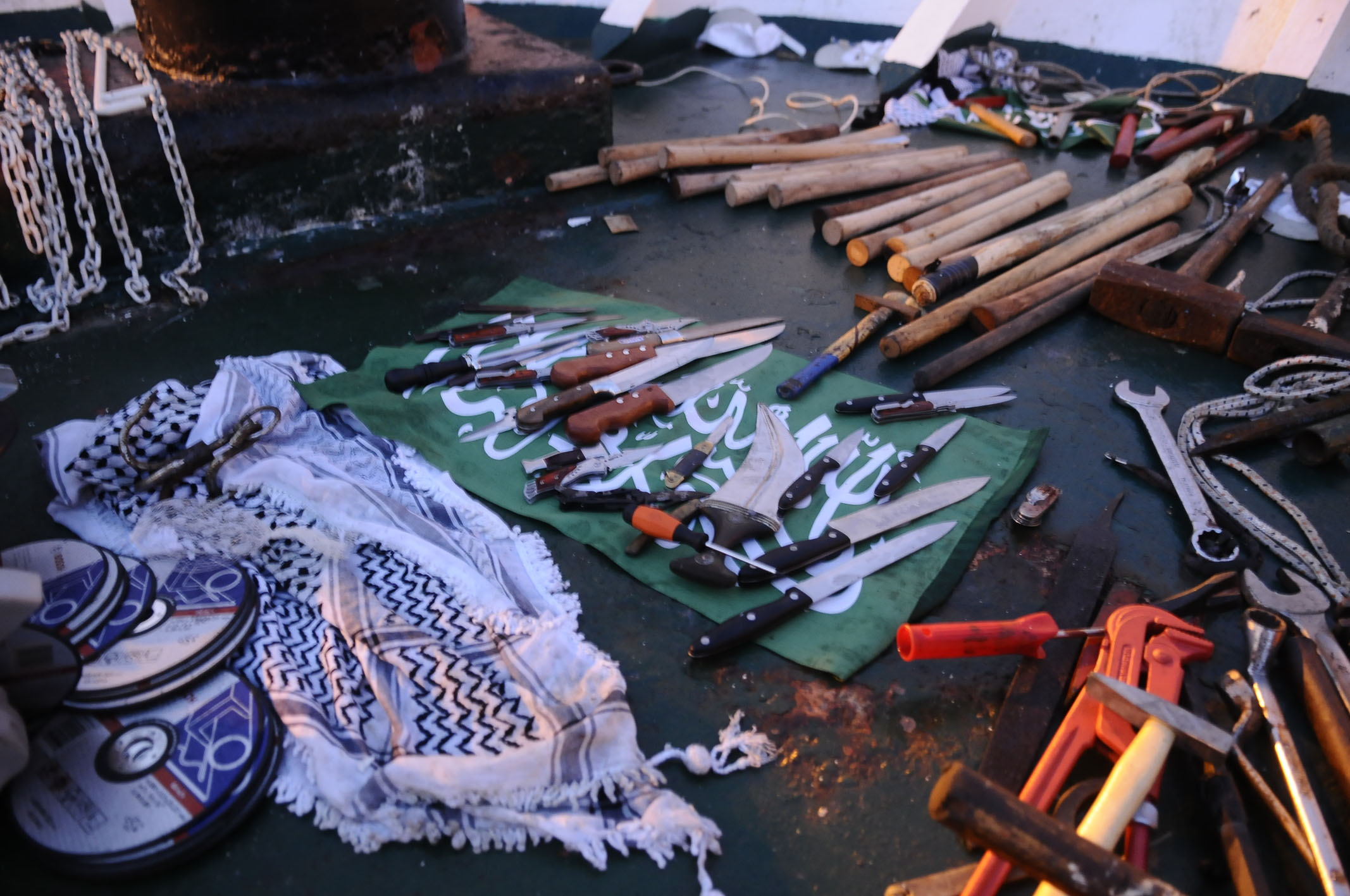
L’assaut du commando israélien contre les bateaux de la Flottille de la Liberté a entrainé selon les dernières informations 19 morts et au moins 23 blessés. Il visait des embarcations civiles transportant plus de 600 personnes, dont des députés européens. Ces passagers étaient venus tenter de briser pacifiquement un b...locus dont les Nations Unies exigent la levée et tentaient d’apporter à la population de Gaza des biens de première nécessité.
Il s’est déroulé dans les eaux internationales à plus de 60 kilomètres des côtes de la bande de Gaza. Il s’agit donc d’un véritable acte de guerre qui correspond à une violation grave du droit international humanitaire, voire à un crime de guerre. Il s’agit également d’une véritable provocation contre tous les pays qui avaient des ressortissants dans cette flottille.
Nous tenons d’abord à rendre hommage aux victimes qui ont perdu la vie et aux personnes blessées alors qu’elles tentaient d’exprimer leur solidarité humanitaire au peuple palestinien emprisonné à Gaza. Nous n’avons toujours aucune nouvelle des ressortissants belges qui étaient dans ces bateaux.
Nous appelons le gouvernement belge à :
- tout entreprendre pour mettre fin à la rétention d’information
- exercée par les autorités israéliennes quant au nombre et à l’identité des victimes ;
- condamner vigoureusement cette attaque et réclamer la
- constitution d’une commission d’enquête sous l’égide des Nations Unies
-exiger d’Israël la mise en liberté de tous les ressortissants internationaux retenus depuis cette nuit, la restitution des bateaux arraisonnés et l’acheminement des marchandises qu’ils contenaient vers la bande de Gaza ;
- exiger d’Israël, sous peine de sanctions économiques et diplomatiques, la fin immédiate du blocus de Gaza.
Premiers signataires :
Association belgo-palestinienne WB, CNAPD, CNCD-11.11.11, Comité national d’appui belge au Tribunal Russell sur la Palestine, Comité Surveillance OTAN , Comité Verviers-Palestine, Communauté des Palestiniens de Belgique, FGTB, Génération Palestine, Intal, LCR-SAP, MIR-IRG, Mouvement Citoyen Palestine, Mouvement Ouvrier Chrétien (MOC), Viva Palestina friends Belgium, Vrede, …
Il s’est déroulé dans les eaux internationales à plus de 60 kilomètres des côtes de la bande de Gaza. Il s’agit donc d’un véritable acte de guerre qui correspond à une violation grave du droit international humanitaire, voire à un crime de guerre. Il s’agit également d’une véritable provocation contre tous les pays qui avaient des ressortissants dans cette flottille.
Nous tenons d’abord à rendre hommage aux victimes qui ont perdu la vie et aux personnes blessées alors qu’elles tentaient d’exprimer leur solidarité humanitaire au peuple palestinien emprisonné à Gaza. Nous n’avons toujours aucune nouvelle des ressortissants belges qui étaient dans ces bateaux.
Nous appelons le gouvernement belge à :
- tout entreprendre pour mettre fin à la rétention d’information
- exercée par les autorités israéliennes quant au nombre et à l’identité des victimes ;
- condamner vigoureusement cette attaque et réclamer la
- constitution d’une commission d’enquête sous l’égide des Nations Unies
-exiger d’Israël la mise en liberté de tous les ressortissants internationaux retenus depuis cette nuit, la restitution des bateaux arraisonnés et l’acheminement des marchandises qu’ils contenaient vers la bande de Gaza ;
- exiger d’Israël, sous peine de sanctions économiques et diplomatiques, la fin immédiate du blocus de Gaza.
Premiers signataires :
Association belgo-palestinienne WB, CNAPD, CNCD-11.11.11, Comité national d’appui belge au Tribunal Russell sur la Palestine, Comité Surveillance OTAN , Comité Verviers-Palestine, Communauté des Palestiniens de Belgique, FGTB, Génération Palestine, Intal, LCR-SAP, MIR-IRG, Mouvement Citoyen Palestine, Mouvement Ouvrier Chrétien (MOC), Viva Palestina friends Belgium, Vrede, …


mardi 11 mai 2010
Appel à la manifestation "Palestine occupée-Dexia impliquée", ce mercredi 12 mai à 15h place de l'Albertine
Nouvelles preuves de crédits accordés par Dexia aux colonies illégales dans les territoires occupés palestiniens!
Bruxelles, 10 mai 2010
Le groupe de travail "Who Profits" vient de publier une nouvelle preuve établissant que Dexia Israël à continué à financer les colonies israéliennes dans les territoires occupés palestiniens et ce, malgré la déclaration de Jean-Luc Dehaene, président du Conseil d'administration du Groupe Dexia s.a. lors de l'AG du groupe le 13 mai 2009.
http://www.intal.be/fr/article/nouvelles-preuves-de-credits-accordes-par-dexia-aux-colonies-illegales-dans-les-territoires-
!!! Journée d'action du 12 mai !!!
La plate-forme 'Palestine occupée-Dexia impliquée' ne se satisfaira plus de nouvelles déclarations creuses, nous exigeons des actes. Mercredi 12 mai, 25 activistes seront présents à l'Assemblée Générale de Dexia. Ils demanderont entre autres aux administrateurs de s'expliquer sur ces nouveaux crédits accordés aux colonies illégales dans les territoires occupés palestiniens malgré la promesse vieille d'un an déjà. Le groupe doit rompre de manière indubitable et irrémédiable tous ses liens avec l'occupation illégale de la Palestine par Israël. Une manifestation sera également organisée à l'extérieur de l'Assemblée Générale.
* Assemblée générale Dexia : 14h30 - Passage 44, Bd Pachéco, Bruxelles.
13h15 : Comité d'accueil des actionnaires.
14h30 : 25 activistes posent des questions sur le financements par Dexia des colonies.
* Manifestation : départ à 15h place de l'Albertine (gare centrale).
15h : rassemblement sur la place de l'Albertine : actions symboliques, danse, musique...
16h00: départ vers le Passage 44, bd Pachéco.
16h45 : arrivée Passage 44, différents discours :
- Esti Micenmacher (du groupe israélien Who Profits)
- Représentant de l'Association France-Palestine Solidarité Nord-Pas de Calais
- Représentant de la Centrale Générale ABVV
- Représentant de la CSC Bruxelles-Halle-Vilvorde
- Bruno Buchet, Bourgmestre de Viroinval
- Philippe Pourbaix & Eric Goeman, actionnaires de Dexia. Ils feront un compte-rendu de l'AG de Dexia.
- De Mario Franssen, porte-parole de la campagne 'Palestine occupée - Dexia impliquée'
Bruxelles, 10 mai 2010
Le groupe de travail "Who Profits" vient de publier une nouvelle preuve établissant que Dexia Israël à continué à financer les colonies israéliennes dans les territoires occupés palestiniens et ce, malgré la déclaration de Jean-Luc Dehaene, président du Conseil d'administration du Groupe Dexia s.a. lors de l'AG du groupe le 13 mai 2009.
http://www.intal.be/fr/article/nouvelles-preuves-de-credits-accordes-par-dexia-aux-colonies-illegales-dans-les-territoires-
!!! Journée d'action du 12 mai !!!
La plate-forme 'Palestine occupée-Dexia impliquée' ne se satisfaira plus de nouvelles déclarations creuses, nous exigeons des actes. Mercredi 12 mai, 25 activistes seront présents à l'Assemblée Générale de Dexia. Ils demanderont entre autres aux administrateurs de s'expliquer sur ces nouveaux crédits accordés aux colonies illégales dans les territoires occupés palestiniens malgré la promesse vieille d'un an déjà. Le groupe doit rompre de manière indubitable et irrémédiable tous ses liens avec l'occupation illégale de la Palestine par Israël. Une manifestation sera également organisée à l'extérieur de l'Assemblée Générale.
* Assemblée générale Dexia : 14h30 - Passage 44, Bd Pachéco, Bruxelles.
13h15 : Comité d'accueil des actionnaires.
14h30 : 25 activistes posent des questions sur le financements par Dexia des colonies.
* Manifestation : départ à 15h place de l'Albertine (gare centrale).
15h : rassemblement sur la place de l'Albertine : actions symboliques, danse, musique...
16h00: départ vers le Passage 44, bd Pachéco.
16h45 : arrivée Passage 44, différents discours :
- Esti Micenmacher (du groupe israélien Who Profits)
- Représentant de l'Association France-Palestine Solidarité Nord-Pas de Calais
- Représentant de la Centrale Générale ABVV
- Représentant de la CSC Bruxelles-Halle-Vilvorde
- Bruno Buchet, Bourgmestre de Viroinval
- Philippe Pourbaix & Eric Goeman, actionnaires de Dexia. Ils feront un compte-rendu de l'AG de Dexia.
- De Mario Franssen, porte-parole de la campagne 'Palestine occupée - Dexia impliquée'
mardi 20 avril 2010
mercredi 7 avril 2010
Que sont les colonies et comment Dexia les finance
Documentaire de 15 minutes réalisé, par Bruno Fr. et Pierre Lemp., pour la campagne "Palestine Occupée, Dexia impliquée". Ce petit film explique en moins d'un quart d'heure ce qu'est une colonie israélienne, comment ces dernières fonctionnent, et pourquoi Dexia trouve son compte à les financer.
palestine occupée, dexia impliquée from intal info on Vimeo.
palestine occupée, dexia impliquée from intal info on Vimeo.
dimanche 14 mars 2010
Action BDS - Foire du livre de Bruxelles 7 mars 2010
Pendant une demi-heure plus de 500 tracts
présentant les ouvrages d'auteurs renommés tels Noam Chomski, Michel Warshawski, Ilan Pappé, Hamira Hass... (dont les ouvrages faisaient défaut au stand israélien)
ont été distribués
dans le but d'offrir aux lecteurs une autre littérature...
Le stand israélien
tenu par l'ambassade d'Israël
ne présentait pas,
contrairement aux autres stands tenu par des maisons d'édition ou des librairies,
des ouvrages et/ou des auteurs de tendances diverses,
de points de vue divergeants voire critiques.


Après la distribution des tracts,
des banderoles portant les inscriptions:
"boycott Israël" et "non à l'impunité"
ont été déployées,
en silence et dans le calme
devant le stand israélien.
Les réactions furent quant à elles,
vives, musclées et bruyantes.
Cette action s'inscrivait dans le cadre de la campagne BDS (boycott, désinvestissement, sanction).
lundi 8 mars 2010
Interview de Marianne Blume
Interview en Europe réalisée par TV Al Hiwar de Marianne Blume, Ancien Professeur de Lettres Francaises a I'Universite d'Al Azhar a Gaza.
dimanche 7 mars 2010
samedi 6 mars 2010
Demonstration against Agrexco in Sète, France
Saturday march the 6 in Sete.
At least 1500 persons make a demonstration against Agrexco in Sete, Languedoc Roussillon, France. People come from Paris, Montpellier, Marseille, Strasbourg, Brest, Lille, Belgium, Spain... to demonstrate against the installation of the Israelian exportation compagny (fruits, vegetables, flowers..). Agrexco is in negociation with the city to set up the company in her port... The demonstrators walk about 20 kilometers in the city before joining the port. They are against the illegal trade of palestinian products that the israelian company, Agrexco sell in all Europe under the origin label "Israel". Most of those products come from Palestinian Occupied Territories...


At least 1500 persons make a demonstration against Agrexco in Sete, Languedoc Roussillon, France. People come from Paris, Montpellier, Marseille, Strasbourg, Brest, Lille, Belgium, Spain... to demonstrate against the installation of the Israelian exportation compagny (fruits, vegetables, flowers..). Agrexco is in negociation with the city to set up the company in her port... The demonstrators walk about 20 kilometers in the city before joining the port. They are against the illegal trade of palestinian products that the israelian company, Agrexco sell in all Europe under the origin label "Israel". Most of those products come from Palestinian Occupied Territories...


vendredi 5 mars 2010
Boycottons Agrexco : tous à Sète le 6 mars contre Agrexco!
Tous à Sète le 6 mars contre l'implantation d'Agrexco, entreprise au service de la politique colonialiste d'Israël!
Rendez vous à 8h devant le conseil régional à Montpellier pour le départ de la marche contre Agrexco jusqu'à Sète.
Rassemblement 14h/14h30 place Aristide Briand à Sète et manifestation après l'arrivée de la marche.

Par ISM
http://www.ism-france.org/news/article.php?id=4677&type=communique&lesujet=Boycott
L'office national des exportations de produits frais israélien, AGREXCO, créée en 1957, est aujourd'hui l'un des plus gros groupes d'exportation de produits agricoles dans le monde.
AGREXCO est une société gérée par le ministère de l'agriculture israélien et des entreprises agricoles à raison de 50% chacun.
Agrexco Ltd est le plus gros exportateur israélien de produits frais. Exportant sous le label CARMEL, Agrexco commercialise plus de 300.000 tonnes de produit frais par an dont 20% de fruits, 10% de citrons, 30% de légumes, 30% de fleurs, 4% de produits divers et plats cuisinés, et 6% de plantes et matériels divers
L'exportation par Agrexco de marchandises provenant des colonies de Cisjordanie sont vendues illégalement en tant que "Produits d'Israel", tirant ainsi bénéfice des termes de l'échange préférentiel que l'Europe accorde aux importations israéliennes.
Au cours d'un procès en Grande-Bretagne, Carmel Agrexco a révélé qu'il possédait des usines d'emballage dans les colonies illégales israéliennes de Mekhora, de Mehola, d'Argaman, de Ro'I, d'Hamra, de Gaddid et de Bet Ha Arava situées dans la Vallée du Jourdain.
Ces colonies font fortune aux dépends de la population palestinienne locale.
En même temps, les forces israéliennes ont bloqué les exportations palestiniennes pour des 'raisons de sécurité.'
Les paysans palestiniens qui veulent exporter n'ont pas le choix: sans AGREXCO, avec toute son infrastructure et son réseau (entrepôts frigorifiques et usines de conditionnement installées dans les colonies, représentants à l'étranger, accès préférentiels aux aéroports), ils ne seraient pas en mesure d’exporter. Ils peuvent ainsi compenser les nombreux "contrôles de sécurité"
Ensuite, grâce à leur label israélien, ces produits bénéficient des tarifs favorables d'importation en Europe qui sont repris dans la convention d'association signée entre Israël et l'UE.
Pourtant, l'accord stipule que les produits provenant des Territoires occupés ne sont pas concernés par la Convention. Israël est donc en infraction par rapport à la convention d'association et risque de ce fait une taxe supplémentaire de 14%.
Bien que l'Europe n'ait pas encore imposé cette taxe supplémentaire, Israël perçoit une taxe de même montant à titre conservatoire aux producteurs palestiniens (Palestinian Authority Tax).
A la suite du Désengagement, la société Agrexco a accepté de continuer à exporter les produits agricoles de Gaza, cultivés par les Palestiniens, mais Agrexco fixe les prix à l'avance.
Les produits sont labellisés ‘CARMEL’, JAFFA ou STAR RUBY par Agrexco.
Produits commercialisés sous la marque :
Carmel Légumes (tomates cerises, céleri, maïs doux, ...), fruits (avocats, pamplemousses, ...), vin, cognac, liqueurs, jus de fruits, fleurs...
Agrexco importe aussi des dattes "Jordan River" ou "Jordan Plains". Les principales variétés de dattes cultivées dans la Vallée du Jourdain sont les "Medjoul" et "Deglet Nour"..
Environ 150 tonnes par an de la variété de dattes "Bahri" sont importées en France par Agrexco et Hadiklaim.
BOYCOTTONS LES PRODUITS ISRAELIENS !
Rendez vous à 8h devant le conseil régional à Montpellier pour le départ de la marche contre Agrexco jusqu'à Sète.
Rassemblement 14h/14h30 place Aristide Briand à Sète et manifestation après l'arrivée de la marche.

AGREXCO
Par ISM
http://www.ism-france.org/news/article.php?id=4677&type=communique&lesujet=Boycott
L'office national des exportations de produits frais israélien, AGREXCO, créée en 1957, est aujourd'hui l'un des plus gros groupes d'exportation de produits agricoles dans le monde.
AGREXCO est une société gérée par le ministère de l'agriculture israélien et des entreprises agricoles à raison de 50% chacun.
Agrexco Ltd est le plus gros exportateur israélien de produits frais. Exportant sous le label CARMEL, Agrexco commercialise plus de 300.000 tonnes de produit frais par an dont 20% de fruits, 10% de citrons, 30% de légumes, 30% de fleurs, 4% de produits divers et plats cuisinés, et 6% de plantes et matériels divers
L'exportation par Agrexco de marchandises provenant des colonies de Cisjordanie sont vendues illégalement en tant que "Produits d'Israel", tirant ainsi bénéfice des termes de l'échange préférentiel que l'Europe accorde aux importations israéliennes.
Au cours d'un procès en Grande-Bretagne, Carmel Agrexco a révélé qu'il possédait des usines d'emballage dans les colonies illégales israéliennes de Mekhora, de Mehola, d'Argaman, de Ro'I, d'Hamra, de Gaddid et de Bet Ha Arava situées dans la Vallée du Jourdain.
Ces colonies font fortune aux dépends de la population palestinienne locale.
En même temps, les forces israéliennes ont bloqué les exportations palestiniennes pour des 'raisons de sécurité.'
Les paysans palestiniens qui veulent exporter n'ont pas le choix: sans AGREXCO, avec toute son infrastructure et son réseau (entrepôts frigorifiques et usines de conditionnement installées dans les colonies, représentants à l'étranger, accès préférentiels aux aéroports), ils ne seraient pas en mesure d’exporter. Ils peuvent ainsi compenser les nombreux "contrôles de sécurité"
Ensuite, grâce à leur label israélien, ces produits bénéficient des tarifs favorables d'importation en Europe qui sont repris dans la convention d'association signée entre Israël et l'UE.
Pourtant, l'accord stipule que les produits provenant des Territoires occupés ne sont pas concernés par la Convention. Israël est donc en infraction par rapport à la convention d'association et risque de ce fait une taxe supplémentaire de 14%.
Bien que l'Europe n'ait pas encore imposé cette taxe supplémentaire, Israël perçoit une taxe de même montant à titre conservatoire aux producteurs palestiniens (Palestinian Authority Tax).
A la suite du Désengagement, la société Agrexco a accepté de continuer à exporter les produits agricoles de Gaza, cultivés par les Palestiniens, mais Agrexco fixe les prix à l'avance.
Les produits sont labellisés ‘CARMEL’, JAFFA ou STAR RUBY par Agrexco.
Produits commercialisés sous la marque :
Carmel Légumes (tomates cerises, céleri, maïs doux, ...), fruits (avocats, pamplemousses, ...), vin, cognac, liqueurs, jus de fruits, fleurs...
Agrexco importe aussi des dattes "Jordan River" ou "Jordan Plains". Les principales variétés de dattes cultivées dans la Vallée du Jourdain sont les "Medjoul" et "Deglet Nour"..
Environ 150 tonnes par an de la variété de dattes "Bahri" sont importées en France par Agrexco et Hadiklaim.
BOYCOTTONS LES PRODUITS ISRAELIENS !
Inscription à :
Articles (Atom)